Bulletproof Park
Bulletproof Park
Turning Gun Violence Into Gun Legislation
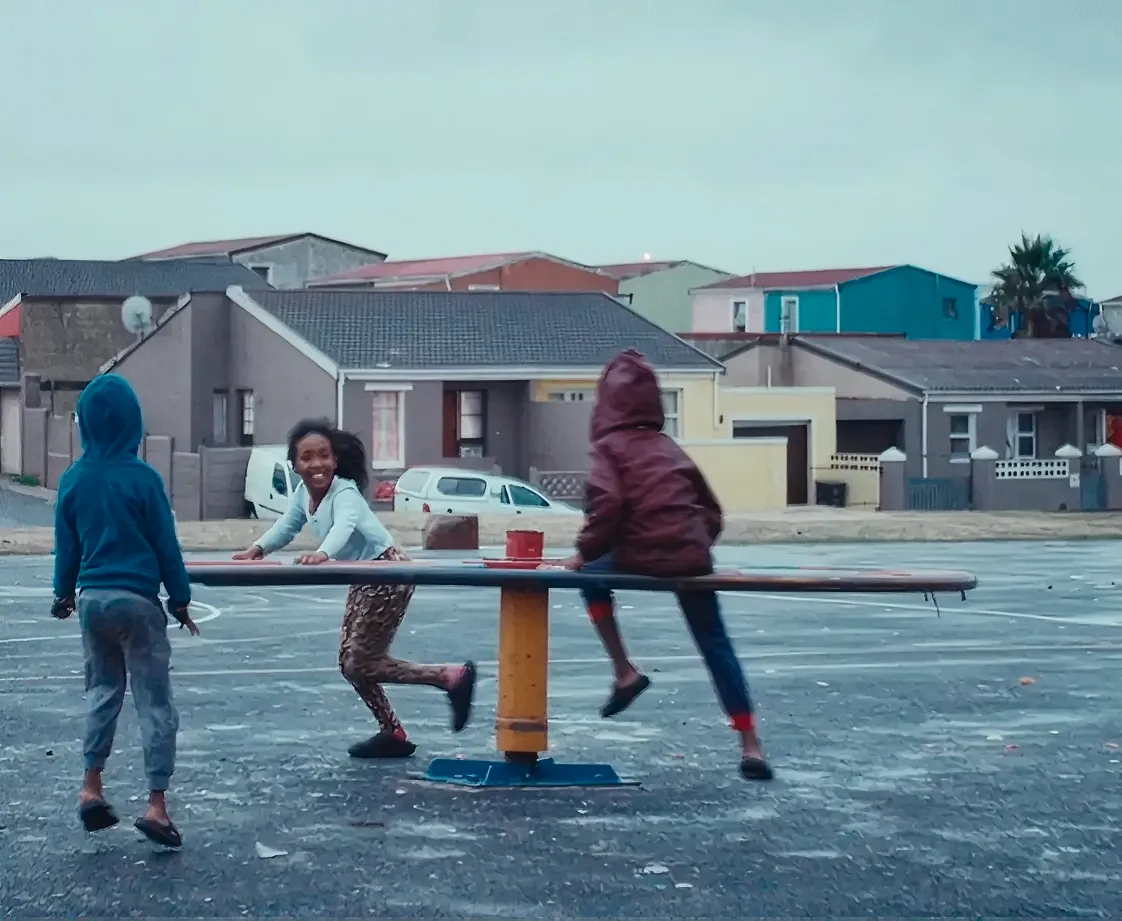
The Cape Flats area of South Africa’s Western Cape province — like Hanover Park, Manenberg, Eerste Rivier, Mitchells Plain, Khayelitsha and Nyanga — are among the most violent places in the country.
These areas contributed almost a quarter of the gun-related deaths in the first quarter of 2024 alone. Added to this, gang-related gun violence remains the major cause of death in the region, with the violence largely perpetrated in public places from gangs operating primarily in the Cape Flats. The very same places our children play.
As Caryn Dolley reported in South Africa’s Daily Maverick, over roughly 72 hours between 29 March and 1 April 2024, 94 people were killed in the Western Cape in gang-related violence. The common denominator was the use of guns, though stabbings were also a common method. Again, often in the very same spots where our children play daily.
On average, one person was murdered every hour in the province over two days, with two people being killed nearly every hour on the third day.
WE NEEDED TO STOP THIS. URGENTLY.
The Challenge
Many of the victims of gun-related gang violence in affected areas of the Western Cape are not the intended targets.
Instead innocent bystanders are caught in the crossfire – many of them children. Devastatingly, nearly half of children under 12 who were admitted to a Cape Town children’s hospital over the last 20 years have been victims of crossfire and more than 300 children were treated for gunshot wounds in the Western Cape in the first quarter of 2024 alone. 58 of those died as a result.
This issue demands significantly greater attention, care and productive dialogue. With gang-related murders on the rise year-on-year, protecting children who live in areas which often resemble war zones is a collective responsibility.
The Idea
Turn the Avoidance Into Active Conversation.
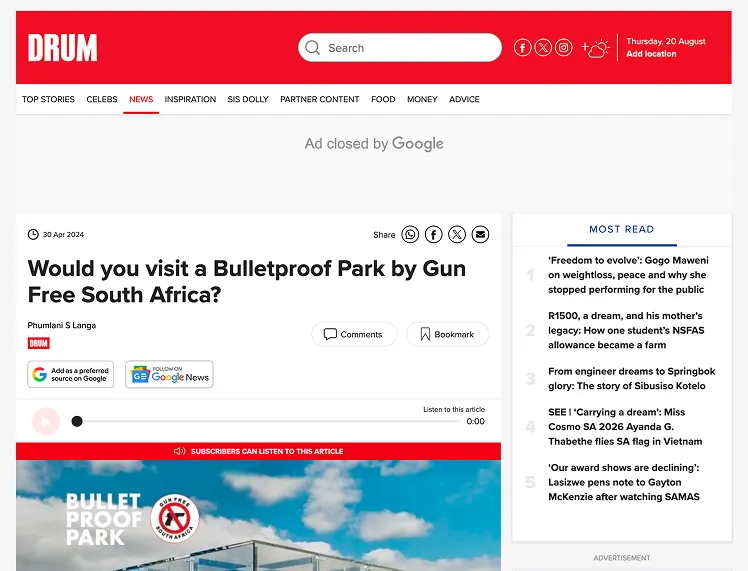
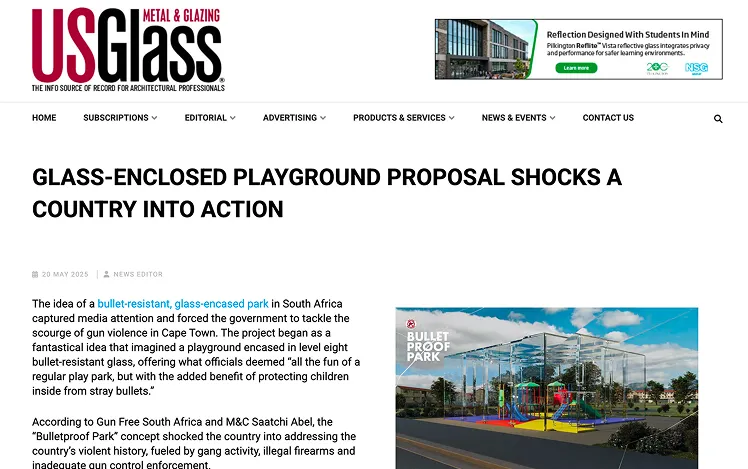
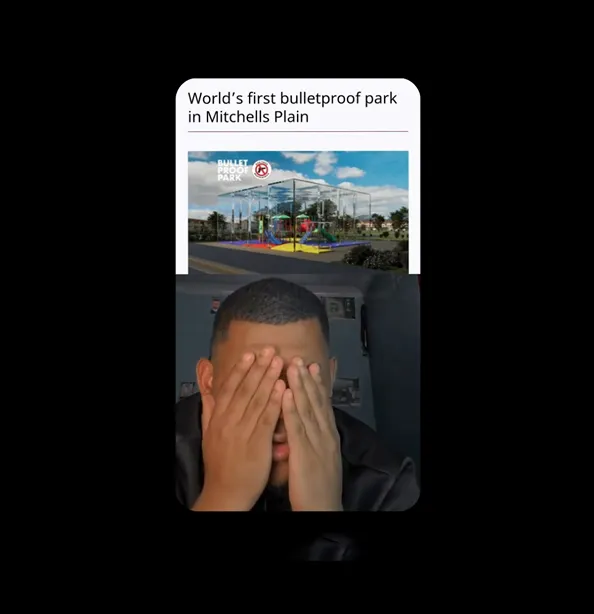
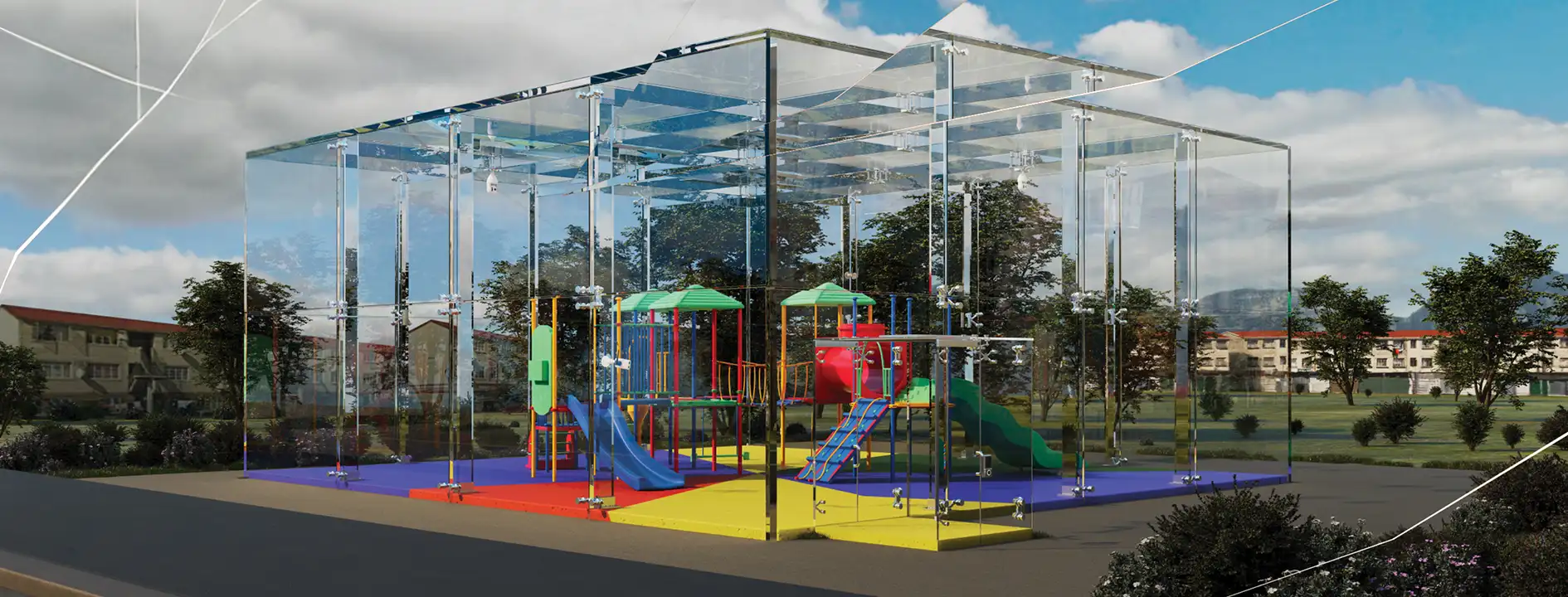
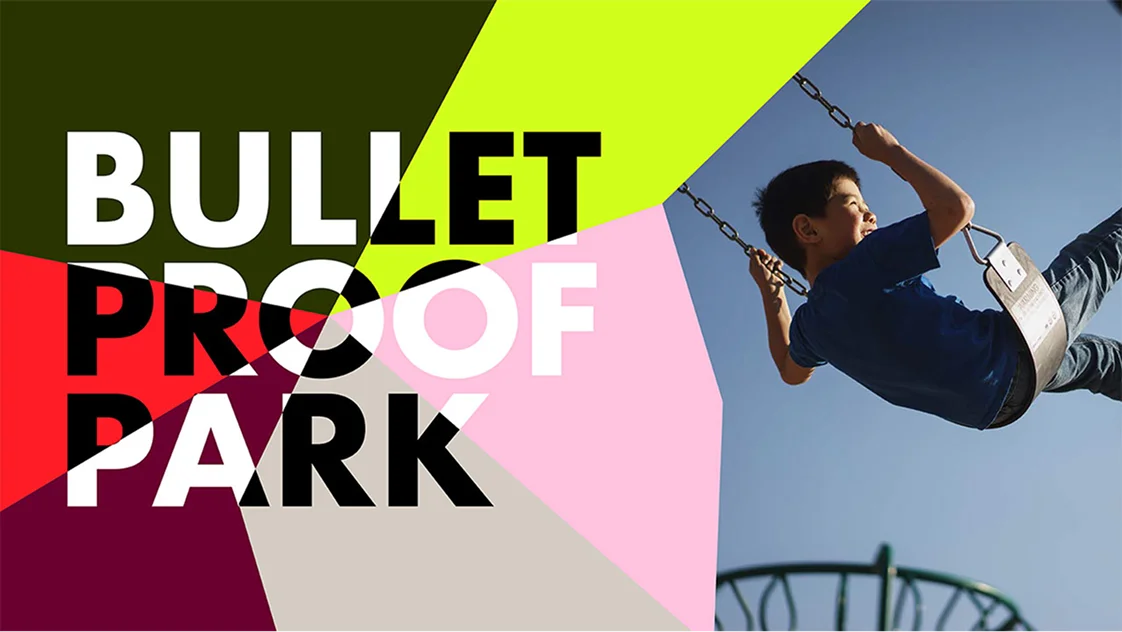
Working with Gun Free SA, the leading NGO dedicated to reducing gun violence in South Africa, we proposed the development of the world’s first ‘Bulletproof Park’ in Mitchells Plain, one of the areas most severely affected by gang and gun violence.
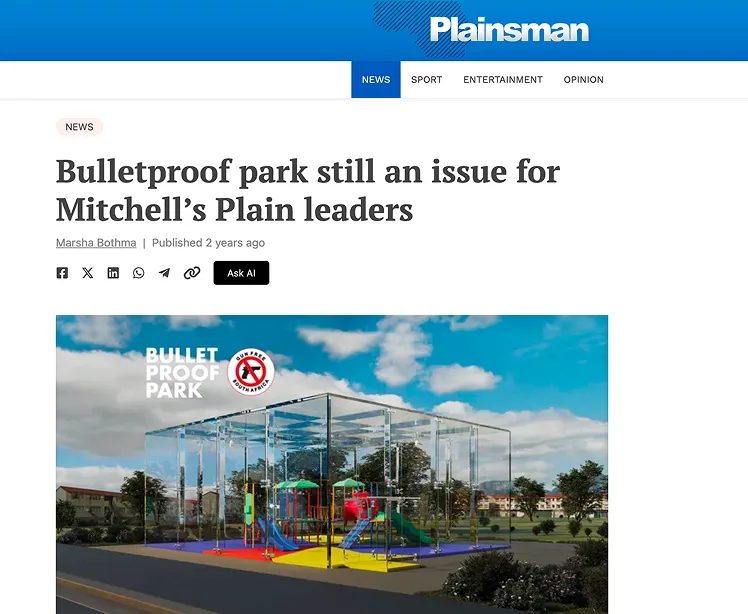
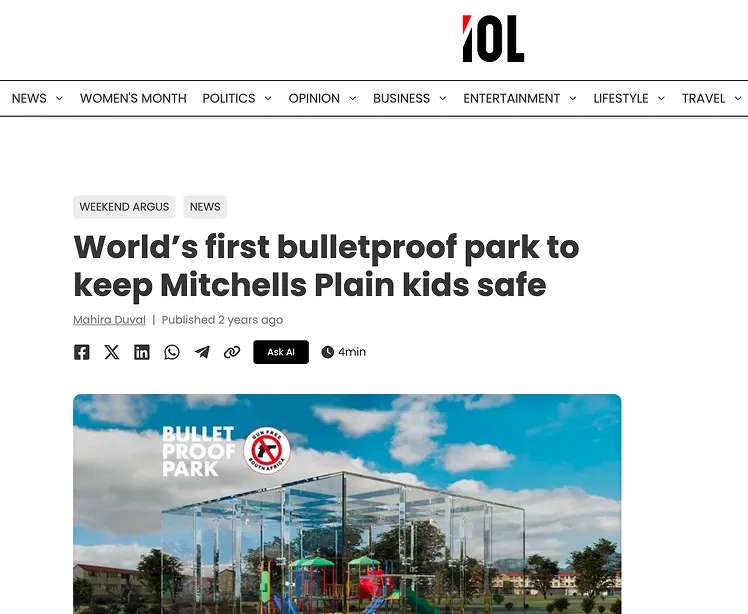
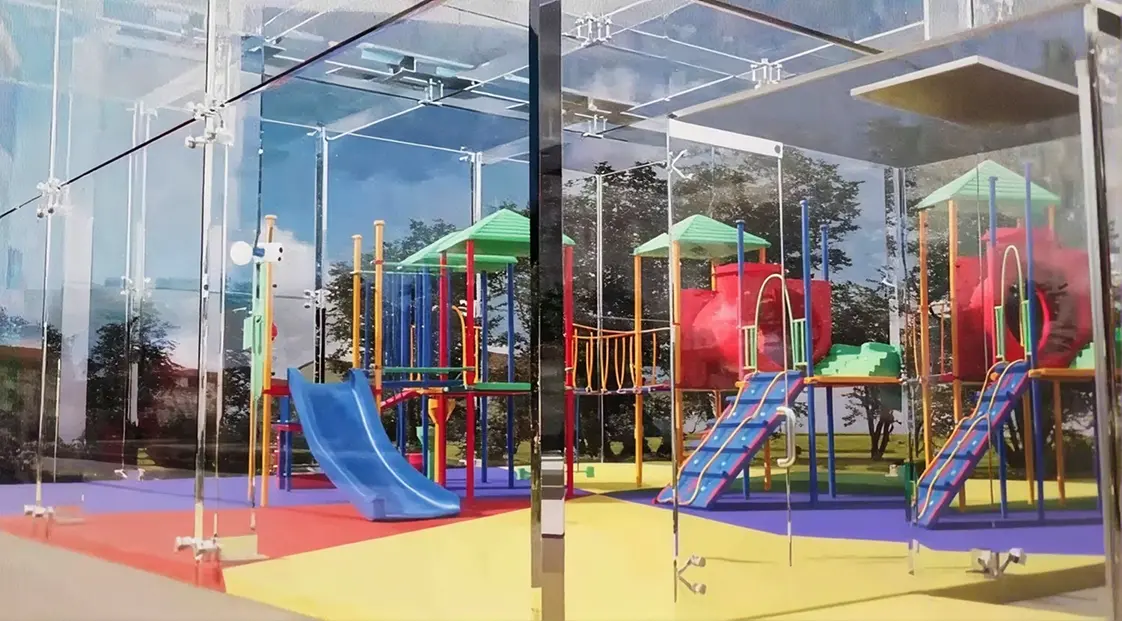
Designed by planning and technology specialists, the park would be entirely enclosed in bulletproof glass, offering the amenities of a typical playground – such as slides and monkey bars – while actively ensuring children’s safety from stray bullets.
The Execution
The three phase approach
We focused on a three-phase approach: context setting, conversation initiation, and the release of a feasibility report, coupled with a deeply compelling call to action.
This allowed us to not only ensure the sustainability of our story in a news cycle with short attention spans, but also meant we could strategically focus on a diversity of topics and media types to ensure the appropriate levels of reach and scale for our conversation.
01
Context Setting
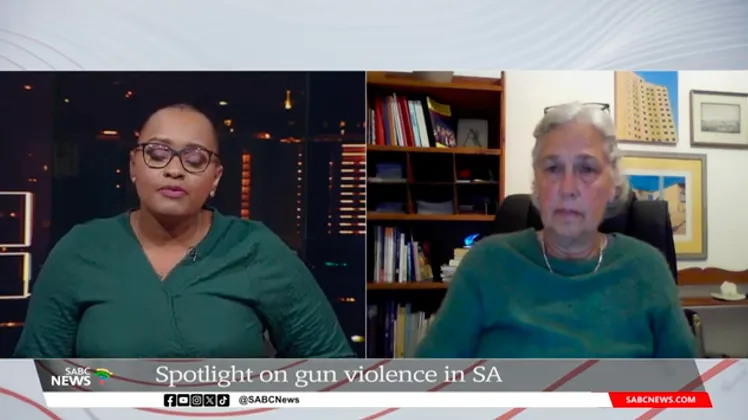
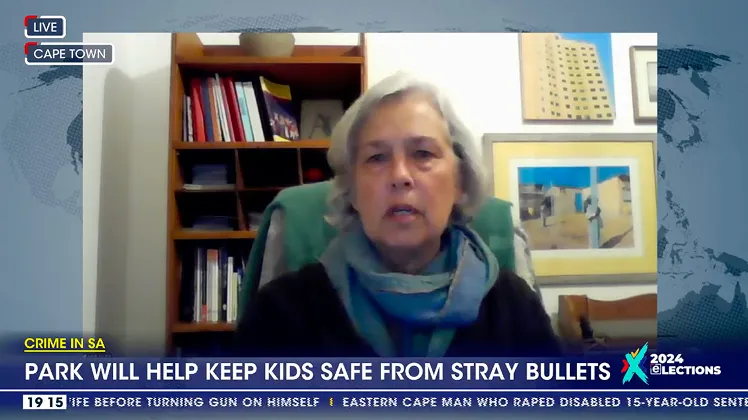
For starters, the issue of gun violence in South Africa needed to be contextualised and highlighted – with a particular focus on the perilous daily situation on the Cape Flats. This was achieved through securing interviews with Adele Kirsten, Executive Director of Gun Free South Africa, leading the charge to once again explain the severe reality of the gun violence crisis.
We added to this by profiling mothers who had lost their children to guns as a result of this crisis. We also handled a poignant interview with a mother whose son was killed by a stray bullet in the area, by actively focusing on translating numbers that our audience might struggle to grasp into a personal story with a human face.
02
Create Conversation
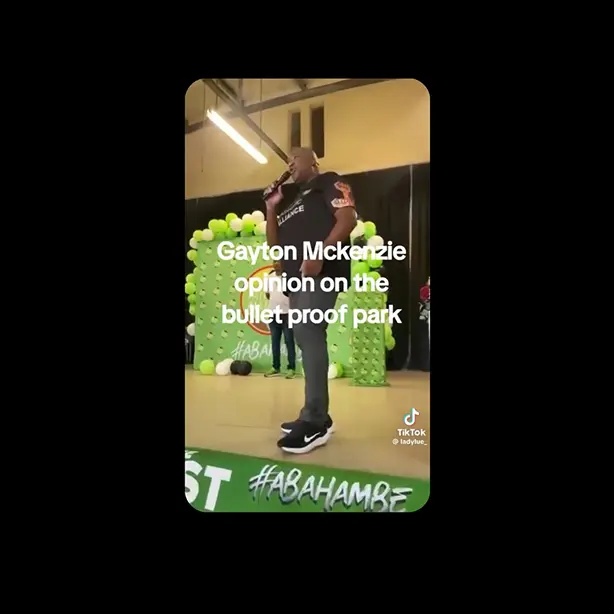
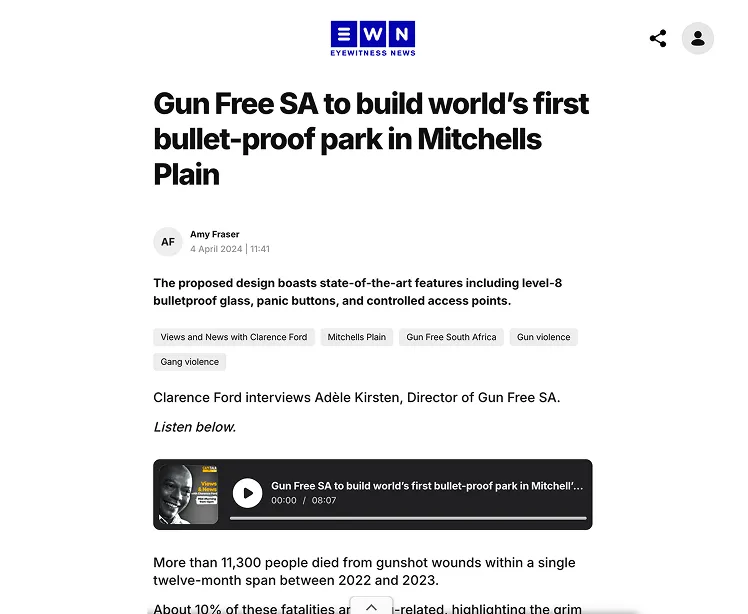
The suggestion of an idea this audacious not only raised immediate awareness about the dire issue of gun violence affecting children, but also sparked a global conversation across traditional and social media platforms. We reached media nationally in South Africa and made headlines across multiple countries as the very global question of “Is this really the future we want for our country’s children?” took hold of local and international dialogues and commentary.
A proposal for a park we shouldn’t need sparked the conversations we needed. The campaign drove dialogue around why something like a Bulletproof Park would be required in the first place, and raised awareness of the gun violence problem in a meaningful and felt way. We took wallpaper headlines and translated them into active conversation and engagement in the communities directly impacted by our proposal. Media coverage was far more than column centimetres or broadcast engagements.
03
Call to Action
Introducing the only playpark designed to safely shield your children from stray bullets, making the scariest thing the height of the slide.
SAFE TO SLIDEPROTECT KIDS NOT GUNS
FOR REAL SOLUTIONS — SCAN HERE
The only playpark equipped with panic buttons making it easier for kids to alert the police in the event of an active shooting.More buttons, less panic!
PROTECT & PLAY
PROTECT KIDS NOT GUNS
FOR REAL SOLUTIONS — SCAN HERE
The Result
The Bulletproof Park continues to drive awareness about the dire issue of gun violence affecting children in South Africa.
More than this, we made this a global conversation around gun control – an internationally critical conversation that needs influence from everyday citizens.
We had placed gun control back onto the national agenda. We rose above active news avoidance and sustained this over a number of months.
We mobilised communities, regional governments, politicians and social activists to come together to begin the dialogue around what the future of gun control could be to prevent the need for a Bulletproof Park.
The park we shouldn’t need, forced us to have the conversations we should.
Most importantly, our story has only just begun.
Media Coverage